Cracks in flat roofs can start small, but once the waterproof surface has been compromised, there's a risk of water finding its way into the layers underneath. Left untreated, this can eventually lead to leaks, damp insulation and damage to the roof structure.
The good news is that flat roof cracking doesn't always mean the entire roof needs replacing. The right solution depends on where the cracks are, what's caused them and the overall condition of the roofing system.
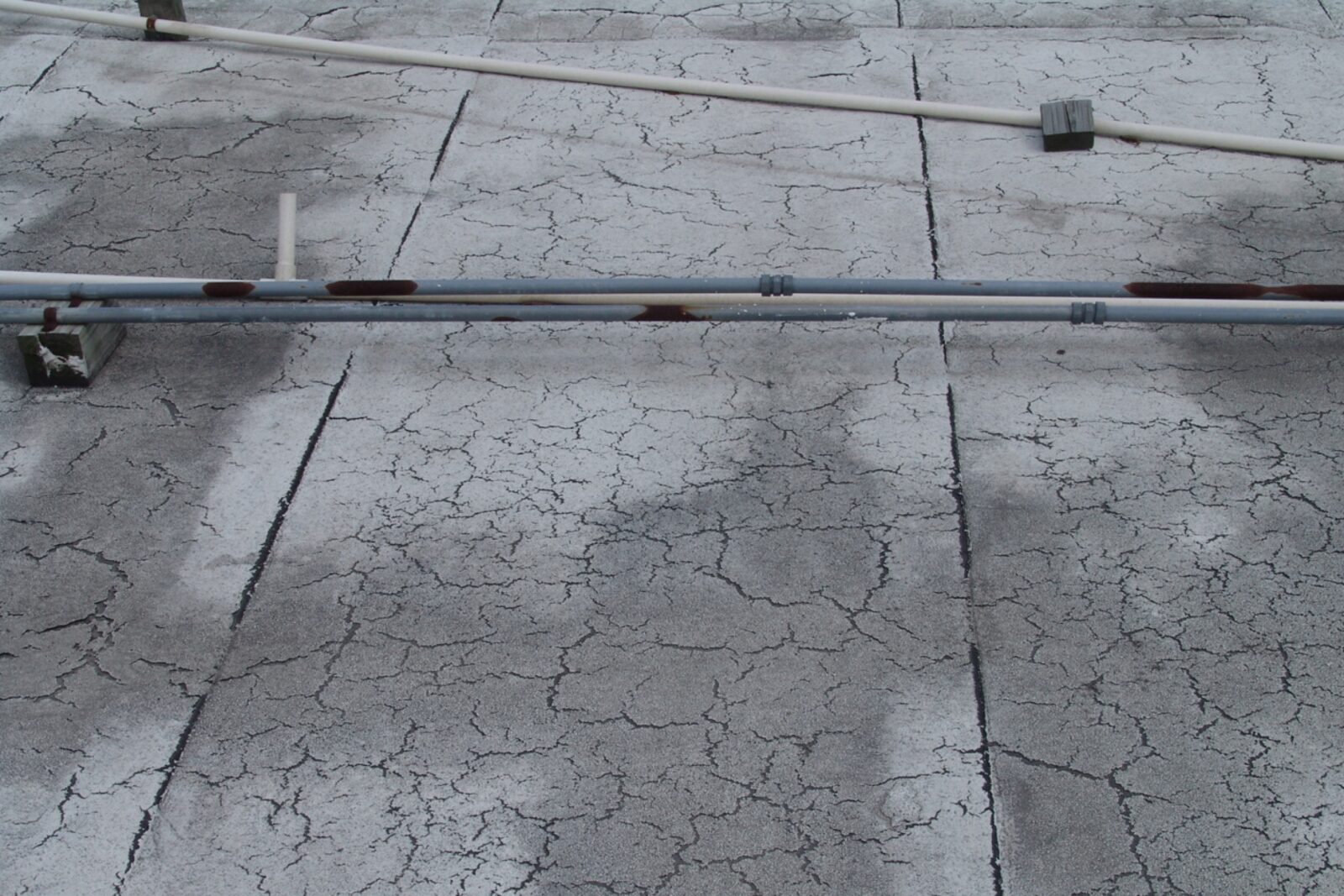

Some cracks are easy to spot from the surface, while others only become obvious once they've started causing problems inside the property.
Common warning signs include:
You may also notice that a previous repair keeps failing. This can indicate that the problem extends beyond the small area that's repeatedly being patched.
Age is one of the most common causes. Over time, some roofing materials become less flexible and more vulnerable to splitting.
Temperature changes also play a part. Flat roofs are directly exposed to sunlight, so the surface heats up and cools down throughout the year. Roofing materials naturally expand and contract as temperatures change. Over many years, this repeated movement can contribute to cracks developing.
Other potential causes include poor installation, movement within the building, impact damage and excessive foot traffic.
Persistent standing water can make existing defects more problematic too. If water regularly collects in the same area, weaknesses in an ageing roof covering are more likely to result in leaks.
In many cases, yes.
Small, isolated cracks can often be repaired without replacing the whole flat roof. The exact method will depend on the roofing material and extent of the damage.
For example, a localised defect in a felt roof may be repaired by removing or preparing the affected area and applying an appropriate patch or new section of material. Damage to EPDM roofing or single ply roofing will require a repair method suitable for that particular membrane.
It's important that the cause is considered as well as the crack itself. Continually sealing a damaged area won't provide a long-term solution if poor drainage, movement or another underlying problem is causing it to reopen.
If cracking is widespread across the roof, repairs may only provide a temporary solution.
Multiple splits, recurring leaks, brittle roofing material and extensive deterioration can all indicate that the flat roof is reaching the end of its lifespan. In these circumstances, replacing the roof covering may make more sense than continuing to pay for individual repairs.
That doesn't mean every old flat roof automatically needs replacing. A professional inspection can help determine how much of the roofing system is actually affected.
A small crack is generally much easier to deal with before water has had time to damage the insulation, decking or structure underneath.
If you've noticed flat roof cracking, leaks or deterioration across the surface, our flat roofing team can inspect the problem, identify what's causing it and advise whether a targeted roof repair or replacement is the most appropriate solution.