Uneven or Misaligned Roof Tiles
Tiles should form neat, consistent rows across a pitched roof. If they appear noticeably uneven, are sitting at different heights or have irregular gaps between them, this could indicate poor installation.
Tiles that haven't been correctly fixed may also be more vulnerable to movement during strong winds.
However, an older roof won't always look perfectly uniform, so appearance alone isn't enough to diagnose a problem. If you're concerned, it's better to have the roof professionally assessed.
Leaks Soon After Installation
A new roof shouldn't start leaking shortly after it's installed.
Early water ingress can indicate several problems, including incorrectly fitted tiles, damaged underlay or poor detailing around roof penetrations and junctions.
The location of the visible leak doesn't necessarily reveal where water is entering, either. Water can travel through the roof structure before appearing on a ceiling or wall.
Poorly Installed Flashing
Areas around chimneys, walls, valleys, skylights and other junctions need careful waterproofing.
If flashing hasn't been fitted correctly, gaps can allow rainwater beneath the roof covering. Warning signs can include visible lifting, untidy joints or recurring damp around chimneys and upper-floor ceilings.
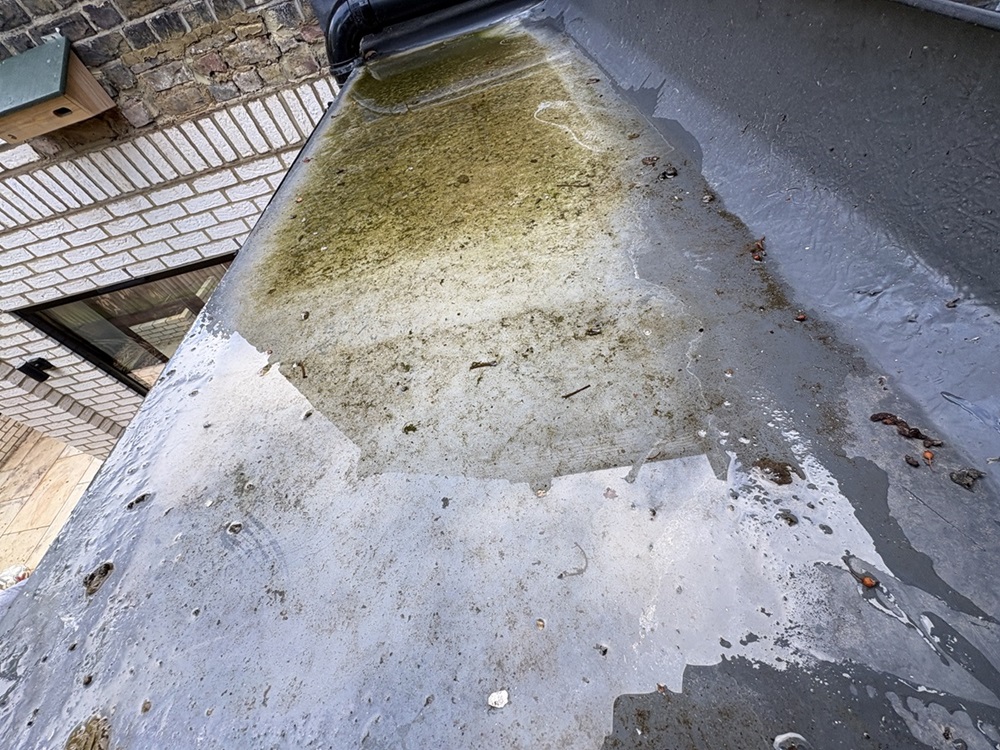
Water Isn't Draining Properly
Drainage is particularly important on flat and low-pitched roofs.
Water repeatedly pooling after rainfall can indicate inadequate falls, poorly positioned outlets or other installation issues. Standing water doesn't automatically mean the roof has failed, but persistent ponding should be investigated because it can increase stress on the roofing system over time.
Guttering should also direct water efficiently away from the property rather than allowing it to overflow or collect around the roofline.
Poor Roof Ventilation
A roof doesn't just need to keep rain out. The roof space also needs appropriate ventilation.
If ventilation hasn't been properly considered during installation, condensation can accumulate inside the roof. Over time, this can contribute to mould, damp insulation and timber deterioration.
Condensation in a loft isn't always caused by poor roofing workmanship, but ventilation should form part of the investigation.
Premature Deterioration
A recently installed roof shouldn't require constant repairs. Repeated slipped tiles, leaks, loose materials or other defects within the first few years may suggest that something isn't right with the original installation.
Rather than continuing to patch individual symptoms, it's worth having the overall roofing system inspected.
What Should You Do If You're Concerned?
Spotting one unusual feature doesn't necessarily mean your roof has been installed badly. Roof designs, materials and construction methods vary considerably between properties.
However, recurring leaks, visibly poor detailing and repeated repairs are good reasons to seek professional advice.
If you're concerned about the condition or workmanship of your roof, our team can inspect it, identify any problem areas and advise whether targeted roof repairs or more extensive work is the best solution.