
Environ Roofing b
Need a quote?

The Signs Your Flat Roof Is Reaching the End of Its Lifespan

Flat roofs are extremely common across London, from rear extensions and garages to commercial buildings and blocks of flats. While modern flat roofing systems are durable, they don’t last forever. The challenge is that flat roof problems often develop quietly, without obvious warning signs, until damage becomes serious.


Knowing when your flat roof is nearing the end of its lifespan can help you act early and avoid costly damage.
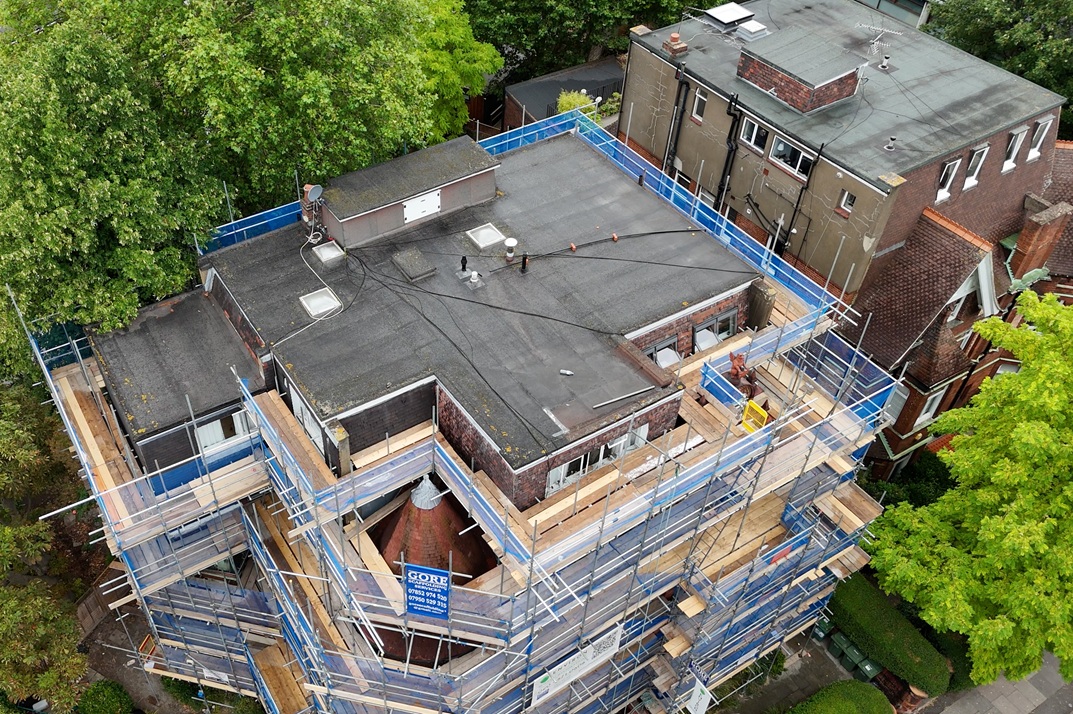
The Signs Your Flat Roof Is Reaching the End of Its Lifespan

Reviews

Our Clients

We Care About Our Clients' Experiences

quote
Matilda Macdonald
They are an excellent roofing company that charges fair prices for the standard of work carried out. They also took time to explain to us exactly what needed to be done.
quote
Michael Pollard
Definitely one of the best contractors we've ever hired. Extremely easy to communicate with and an even better turnaround time from start to completion. I’d recommend them to anybody looking for quality roofing solutions.
quote
Ellis Lamb
Thanks to the Environ team! The entire process was smooth, and we appreciate the extra efforts they put in for us. I’m a very happy customer and I’ll gladly use them again if we need roofing in future.


How Long Do Flat Roofs Typically Last?

The lifespan of a flat roof depends on the material used:

  • Felt roofing: 10–20 years
  • GRP (fibreglass): 20–30 years
  • EPDM rubber: 25–30+ years

If your flat roof is approaching these ages, regular inspections become essential.

Flat Roof Warning Signs

1. Persistent Leaks or Water Stains

One of the clearest warning signs is recurring leaks. While a single leak can sometimes be repaired, repeated water ingress often indicates the membrane is failing across a wider area. You may notice water stains on ceilings, damp patches, or peeling paint inside the property.

2. Pooling or Standing Water

Flat roofs are designed with a slight fall to allow water to drain. If water remains on the surface long after rain has stopped, this puts strain on the roofing material. Standing water accelerates wear, increases the risk of leaks, and often signals structural sagging beneath the roof.

3. Cracks, Blisters, or Bubbles

Over time, exposure to UV rays and temperature changes can cause flat roofing membranes to crack, blister, or bubble. These weak points allow moisture to penetrate the layers beneath, leading to hidden rot and insulation damage.

4. Splits Around Edges and Flashings

The edges of flat roofs and areas around vents, skylights, and walls are particularly vulnerable. If you notice splits, lifting, or deterioration in these areas, it often means the roof is no longer sealing properly.

5. Rising Energy Bills

An ageing flat roof often loses its insulating properties. If your heating bills are creeping up or rooms beneath the roof feel colder in winter and hotter in summer, poor roof performance may be to blame.

When Replacement Is the Smarter Choice

If multiple issues are present or repairs are becoming frequent, replacement is often more cost-effective than ongoing patchwork. A professional inspection can determine whether repair or replacement is the best long-term solution.


Need More Info?

Talk To Our Expert Now
020 3971 1901

Request a Callback

Please fill out the form below and we will call you back!

    FREQUENTLY ASKED QUESTIONS

    How does a flat roof work?

    Despite the name, flat roofs aren’t entirely flat. They are set at an angle of between 1 and 10 degrees, with a slope of around 1/4 inch per foot as a minimum to allow water to run off, preventing damage. Flat roofing in London is favoured particularly for commercial and industrial properties as it is easy to inspect and maintain.

    How are flat roofs installed?

    Construction methods vary, but broadly, flat to low-pitched roofing in London rests on roofing joists laid across and fixed to the tops of the walls. A layer of decking covers the joists, and insulation is added. This is then waterproofed by applying another layer – often EPDM rubber. A sealant is used to ensure the building below is watertight.

    How often should flat roofs be replaced?

    High-quality, well maintained flat roofs can last for up to 30 years. The lifespan of any roof depends on the material it’s made from and the construction method used. Slate or contemporary EPDM rubber are longer-lasting options than felt or asphalt.

    How do I know if my flat roof needs replacing?

    You should replace a flat roof’s membrane if the top layer appears to be damaged or is starting to bubble or crack due to high temperatures. If the membrane only has small tears or punctures in a limited area - due to extreme weather conditions, say – you can usually get away with repair rather than replacement.

    How much weight can a flat roof hold?

    It depends on the construction, but the minimum weight a flat roof must be capable of bearing is 300lbs. This refers to a concentrated weight where a load is positioned on just one area of the roof. So, for example, a commercial flat roof can approximately support a 300lb HVAC unit in a 2.5×2.5ft single space.

    How do I pick a good roofer?

    Look for an established roofer with plenty of experience. Find a roofer registered under the National Federation of Roofing Contractors (NFRC) Competent Persons Scheme if the project is a large one and ask about their insurance coverage as well as what guarantee they offer on their work. Check independent reviews from past customers to determine the quality of their work.

    How do you tell if roofers are doing a good job?

    Make sure the roof looks even with no signs of sagging, damage or bubbling. Check a drip edge has been installed – this is a metallic sheet protecting the board beneath the roof’s edge from water ingress. Check a waterproof underlayment layer has been laid as a waterproof barrier. Check for water damage internally after heavy rainfall.

    Pest Infestations

    Over time, damaged or unmaintained roofs can become entry points for pests such as birds, squirrels, or insects. These intruders can cause further damage, contaminate insulation, and even create fire hazards by nesting near electrical components.

    When to Act

    If your roof is over 20 years old, shows visible signs of damage, or has caused recurring issues indoors, it’s time to consult a professional roofer. They can assess the roof’s condition, identify hidden dangers, and advise whether repairs or full replacement are necessary.

    Ignoring the risks of an ageing roof can lead to expensive repairs and even compromise your safety.

    Regular roof inspections, timely maintenance, and professional assessments ensure your home remains secure, energy-efficient, and free from the hidden hazards that old roofs often conceal.

    Choosing the Right Roofing Material for Your Commercial Property

    Ready to find out how we can help?

    Contact Environ Roofing Company London today for a quick response – we are happy to help with any enquiry.
    Environ Roofing Services
    Roof replacement, repair and maintenance for domestic and commercial properties.
    2022 © Copyrights Environ Roofing Company London. All Rights Reserved.
    ENVIRON PEST CONTROL
    hello world!