
- About Us
- Services
- Blog
- Contact
Need a quote?
Blocked gutters may not seem like an urgent issue, but they’re one of the most common causes of serious roofing and damp problems, especially in London. With tree-lined streets, falling leaves, moss growth, and frequent rain, gutters fill quickly, and when they become blocked, the consequences can be expensive.
Here’s how clogged gutters can damage your roof, your walls, and even your foundations.
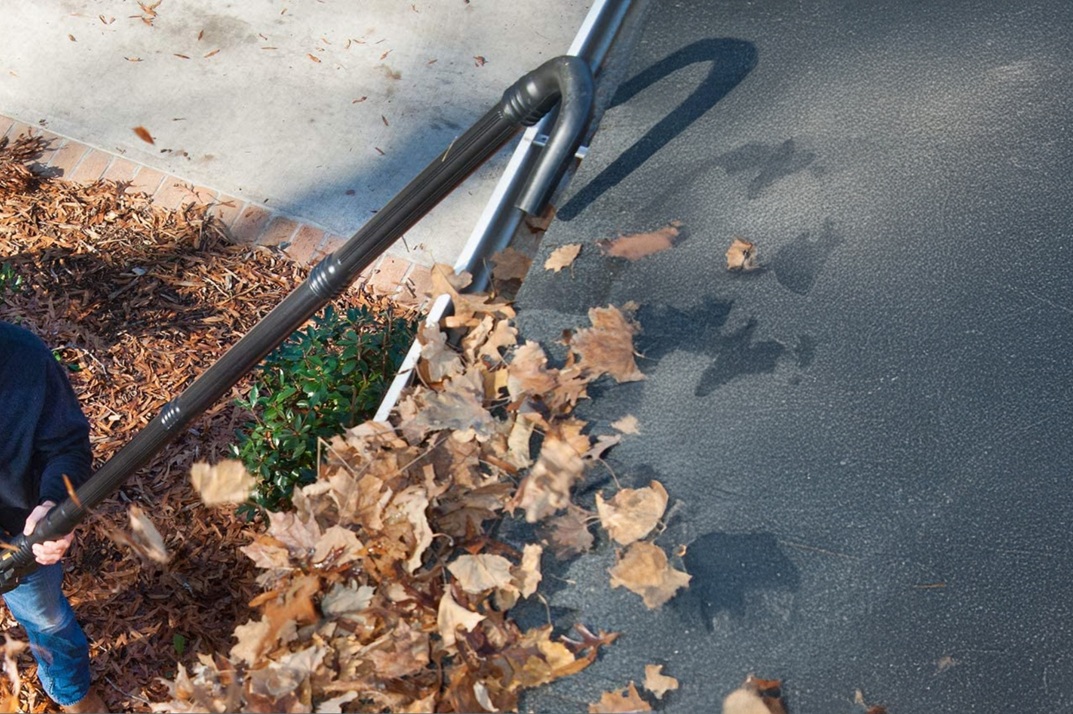

Gutters are designed to carry rainwater away from your roof. When they’re blocked with leaves, dirt, or moss, the water has nowhere to go. Instead, it pools along the roofline or spills back under the tiles.
This causes:
Many homeowners discover a “roof leak” only to find that the root cause was a blocked gutter.
Overflowing water doesn’t just go back into the roof; it also runs over fascia and soffit boards. These boards are often made of wood, which quickly absorbs moisture.
Prolonged exposure leads to wood rot, mould, and structural weakening. Replacing fascias and soffits is far more expensive than a simple gutter clean.
When gutters overflow, water runs down external walls, soaking brickwork. London’s older homes, especially those without cavity walls, are particularly vulnerable.
This can cause:
Persistent damp becomes a long-term issue if not addressed quickly.
If water consistently pours down the side of your property instead of being diverted away, it pools around the base of the house. Over time, this affects foundations, causing movement, cracks, and instability. Even modern properties can experience problems if excess water repeatedly saturates the ground.
Blocked gutters get heavy, especially when filled with wet leaves or frozen debris in winter. This extra weight causes gutters to sag, separate from the roofline, or snap entirely. Once this happens, even light rain can cause water damage.
Gutter cleaning is one of the simplest, most cost-effective ways to protect your roof and your home. A quick clean a couple of times a year, especially in autumn and spring, can prevent leaks, damp issues, structural problems, and hundreds of pounds in repairs.
It depends on the construction, but the minimum weight a flat roof must be capable of bearing is 300lbs. This refers to a concentrated weight where a load is positioned on just one area of the roof. So, for example, a commercial flat roof can approximately support a 300lb HVAC unit in a 2.5×2.5ft single space.
Over time, damaged or unmaintained roofs can become entry points for pests such as birds, squirrels, or insects. These intruders can cause further damage, contaminate insulation, and even create fire hazards by nesting near electrical components.
If your roof is over 20 years old, shows visible signs of damage, or has caused recurring issues indoors, it’s time to consult a professional roofer. They can assess the roof’s condition, identify hidden dangers, and advise whether repairs or full replacement are necessary.
Ignoring the risks of an ageing roof can lead to expensive repairs and even compromise your safety.
Regular roof inspections, timely maintenance, and professional assessments ensure your home remains secure, energy-efficient, and free from the hidden hazards that old roofs often conceal.