1. Deteriorating Slate or Clay Tiles
Many period properties still have original slate or clay tiles. While these materials are durable, decades of exposure eventually cause cracking, slipping, or thinning. Missing or loose tiles are a major cause of leaks and should be addressed quickly.
2. Failing Mortar and Ridge Tiles
Older mortar wasn’t designed to withstand modern pollution and weather conditions. Over time, it crumbles, particularly along ridge tiles and roof joints. Loose ridges are not only a leak risk but also a safety hazard during high winds.
3. Lead Flashing Wear
Victorian and Edwardian period roofs rely heavily on lead flashing around chimneys, valleys, and junctions. While lead is long-lasting, it can split, lift, or be stolen if left exposed. Damaged flashing is one of the most common causes of roof leaks in period homes.
4. Poor Ventilation
Older homes were not built with modern ventilation standards in mind. Poor airflow in roof spaces can cause condensation, leading to timber rot, mould growth, and insulation damage.
5. Timber Decay
Original roof timbers may have been weakened by decades of moisture exposure. Rotting rafters or battens compromise the roof’s structural integrity and can escalate repair costs if not caught early.
Protecting Period Roofs
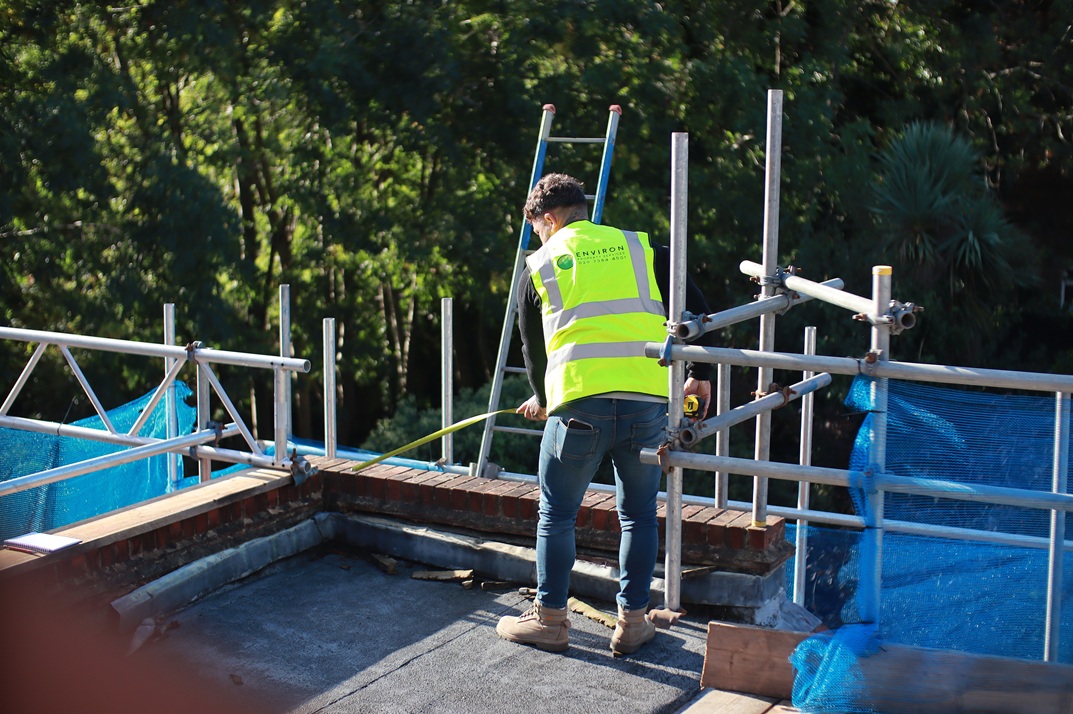
Regular inspections by roofers experienced with period properties are essential. Sensitive repairs preserve the character of the period roof whilst ensuring modern performance and safety.